Check your address
See what’s available, your connection type, and plans you can sign up for today.
Understanding Technology Types
Best Performance
FTTP
Fibre to the Premises
Fastest connection type. Fibre optic cable directly to your premises.
Find out more
✓ Pros
- Fastest speeds available
- Most reliable connection
- Future-proof technology
✗ Cons
- Limited availability
FTTB
Fibre to the Building
Fibre optic cable to your building, then existing copper wiring to your office.
Find out more
✓ Pros
- Fast speeds
- Good for multi-tenant buildings
- Reliable performance
✗ Cons
- Speed depends on building wiring
FTTN
Fibre to the Node
Fibre to a nearby street cabinet (node), then copper cable to your location.
Find out more
✓ Pros
- Wide availability
- Cost-effective
✗ Cons
- Speed varies by distance
- Slower than FTTP
- Weather sensitive
HFC
Hybrid Fibre Coaxial
Uses existing pay TV cable network infrastructure for internet connectivity.
Find out more
✓ Pros
- Fast download speeds
- Widely available in metro areas
- Good for high bandwidth needs
✗ Cons
- Slower upload speeds
- Shared bandwidth in area
- Can slow during peak times
Fixed Wireless
Wireless connection from a transmission tower to your location.
Find out more
✓ Pros
- Available in regional areas
- No physical cable needed from the street
- More reliable than 4G/5G
✗ Cons
- Limited speed tiers
- Weather can affect signal
- Requires line of sight
Satellite
Satellite connection for remote areas without fixed line or wireless access.
Find out more
✓ Pros
- Available anywhere
- No physical infrastructure
- Remote area solution
✗ Cons
- Higher latency
- Limited speeds
- Weather dependent
- Data limits apply
Modems that work with heardle
Pick one when you sign up, or bring your own.
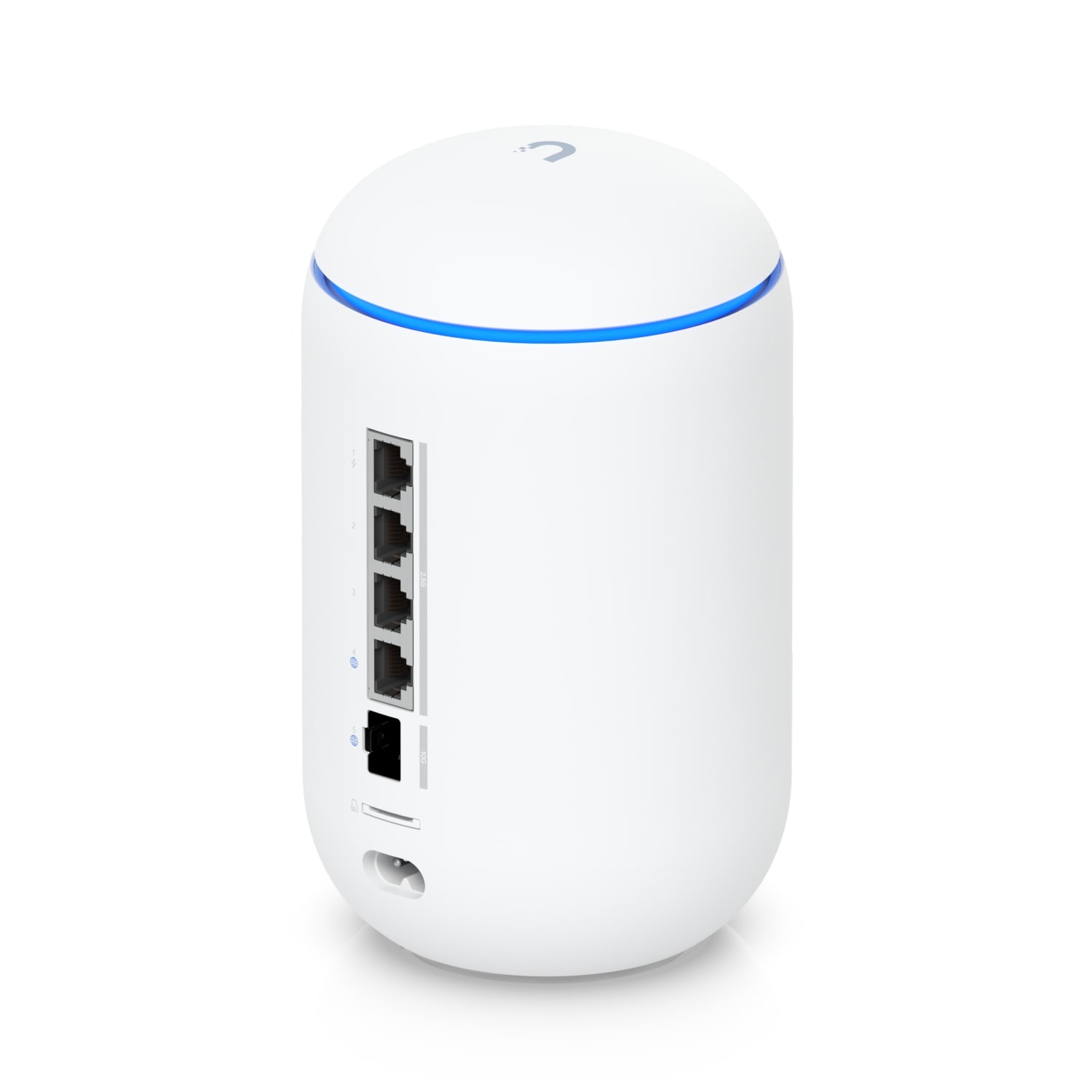
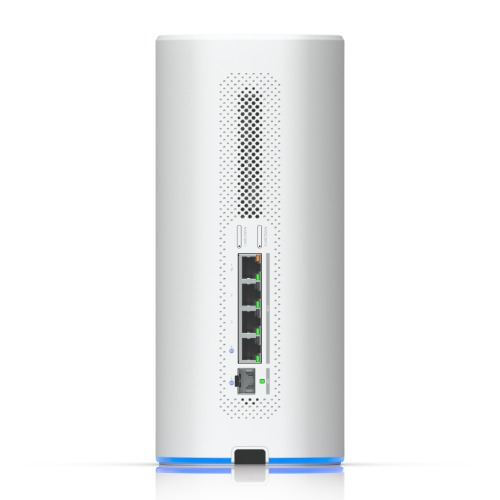
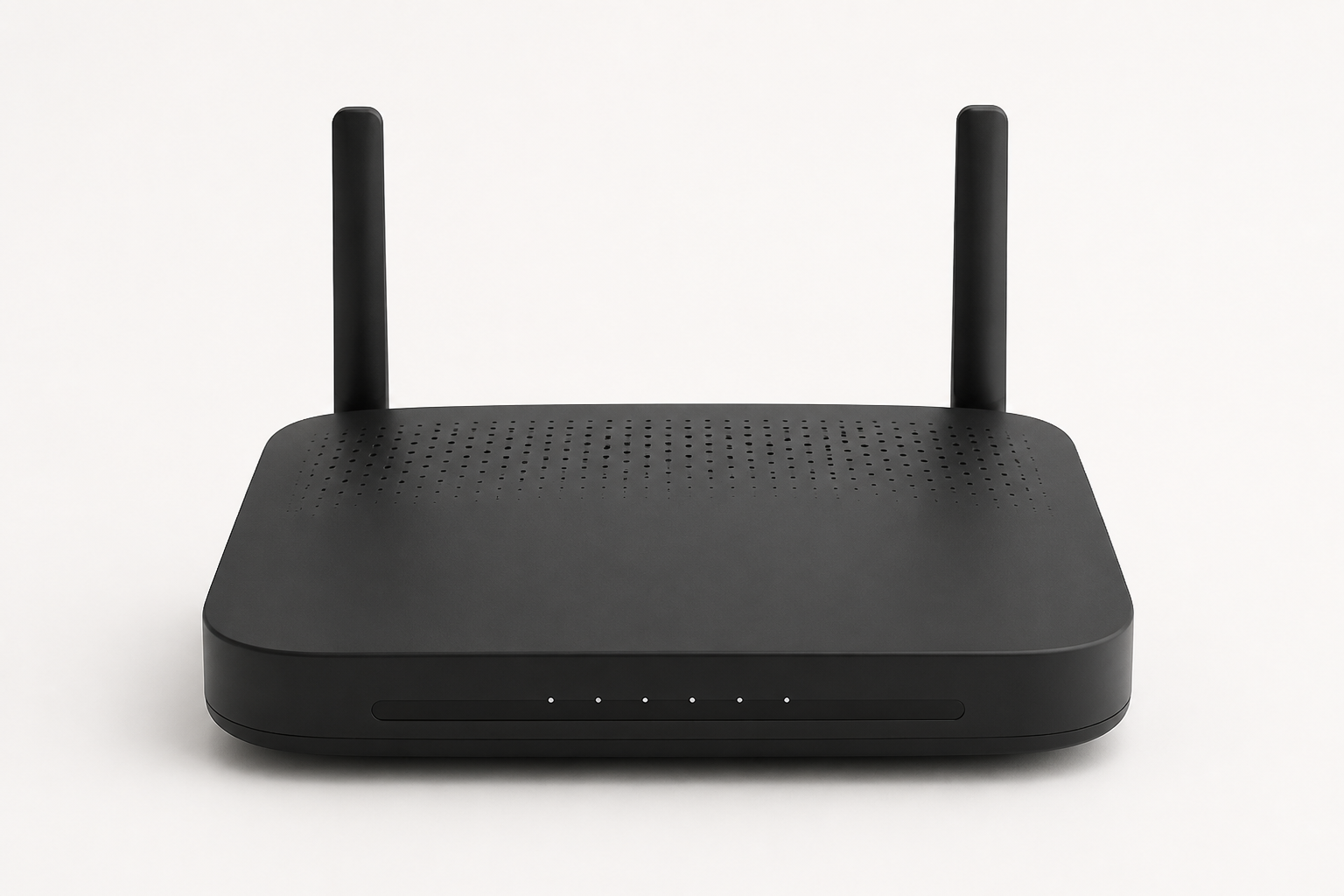
Bring your own modem
$0 no modem charge
- nbn compatible
- Limited support
- Your choice
.png)